
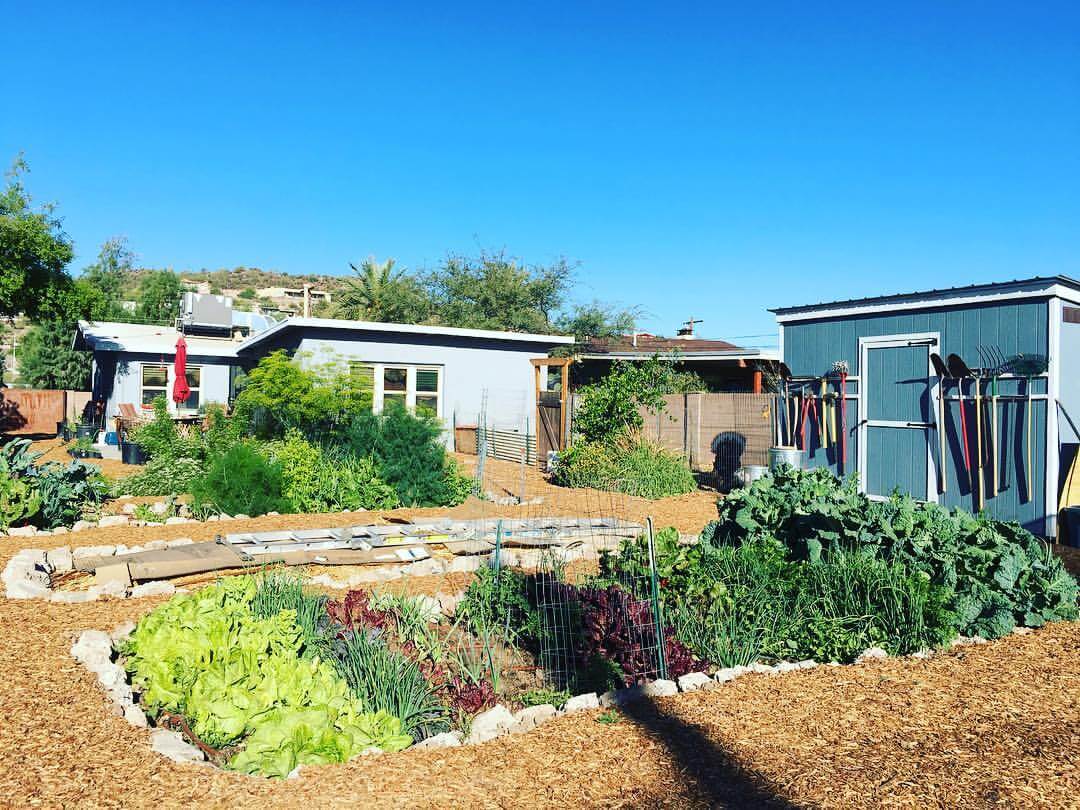
It can sometimes feel impossible to plant anything in our warm, arid environment. But our desert can do some surprising things! Let’s walk through 5 of the most prolific (and delicious) growers in Zone 9b, discussing when to plant, how to water, and how to care for these wonderful vegetables.
Manage Your Shade
Use 40% shade cloth for most vegetables, extending to 60-80% shade cloth for more sensitive plants, as temperatures consistently reach above 90°F to prevent sun scalding and excess plant stress.
In gardening, less is more. Your job as a gardener should be to give your plants the best environment for them to thrive in.
1. Tomatoes
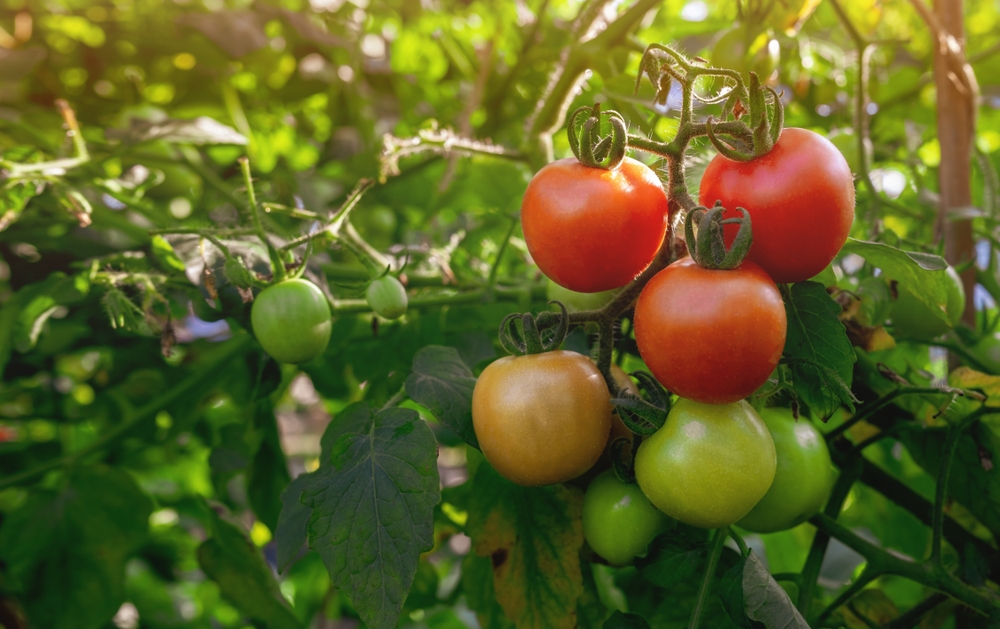
Tomatoes almost always taste better freshly grown versus bought from a grocery store. Besides their taste, one of the best parts about growing them is just how easy they are to grow and produce. Focus on heat-tolerant varieties, like Solar Set or Sun Gold, as they will give you the best chance for success.
Timing is Everything
Transplant: Late February – End of March | Early August – End of September
Time to Harvest: 50-120 days
For Spring: Plant transplants after the last frost, you’ll want to get them into the ground as early as possible to set fruit before our summer heat rolls around.
For Fall: Plant transplants in August to utilize monsoon rain and to maximize harvest before winter.
Watering
Tomatoes are not big fans of swings between dry & soggy soil – consistency is key. Use drip irrigation to deliver water to the base of the plant. Aim to water deeply every 1-3 days, increasing more as we grow closer to those summer months.
Adding mulch is an excellent way to enhance moisture retention and maintain optimal soil temperatures.
2. Jalapeños
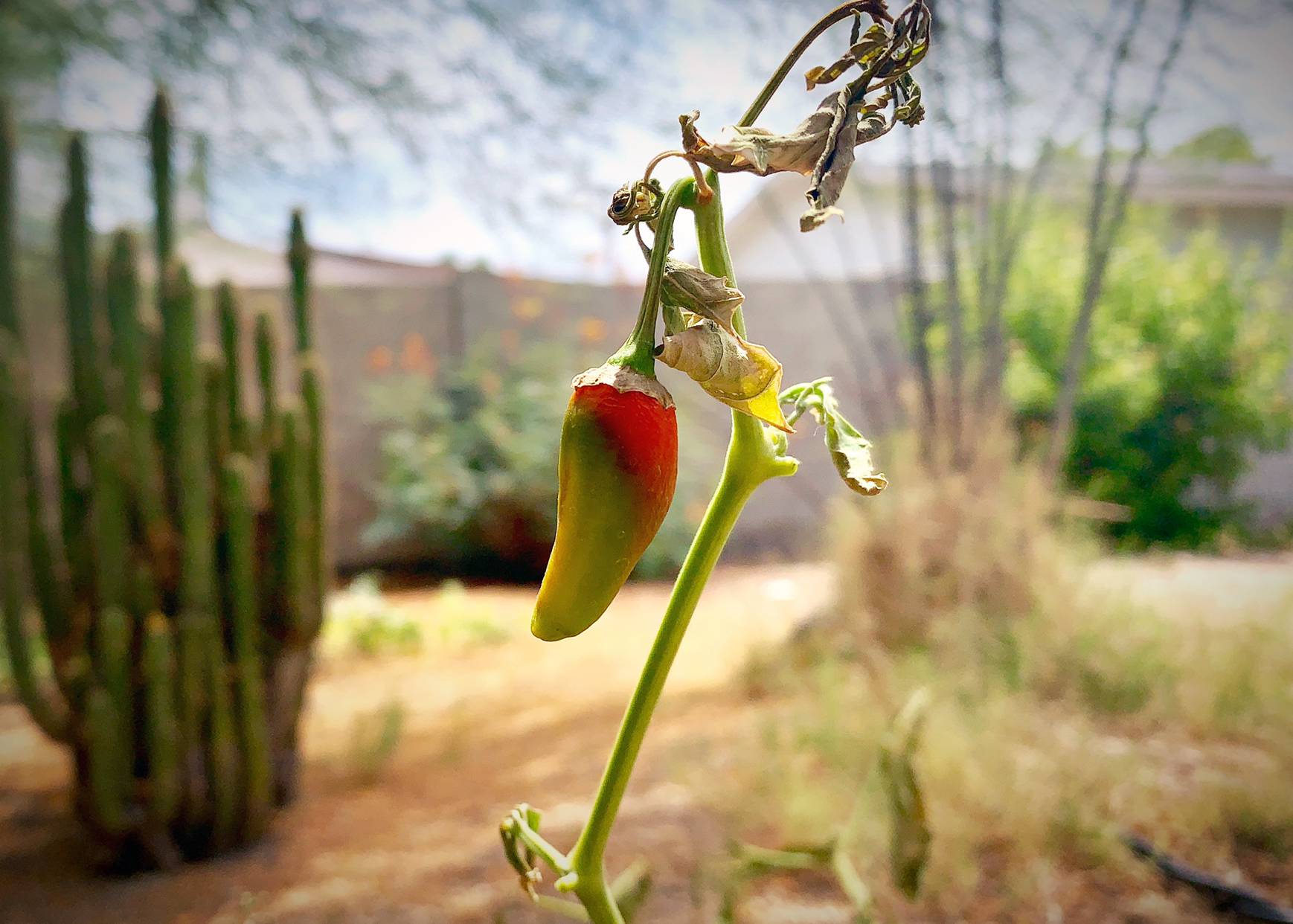
Peppers in general do great in the Arizona desert, but Jalapeños thrive on the heat. One to two plants will usually provide you more Jalapeños than you will need for a season and will allow you to cook beautiful salsas, sauces and don’t sleep on cowboy candy.
Timing is Everything
Transplant: Early March – End of April | End of July – End of August
Time to Harvest: 90-120 days
For Spring: Plant transplants when nighttime lows are consistently above 55°F.
For Fall: Plant transplants in the late summer months to utilize monsoon rain. Cover them in the winter as temperatures reach frost levels.
Watering
Use drip irrigation to deliver water to the base of the plant. Aim to water deeply every day in the Summer months, and on a consistent cycle when temperatures are lower.
Jalapeños can be grown as a perennial in our desert. Ensure that they are getting morning sun and afternoon shade in the Summer. In the winter, cover the plant if there is fear of frost.
3. Corn
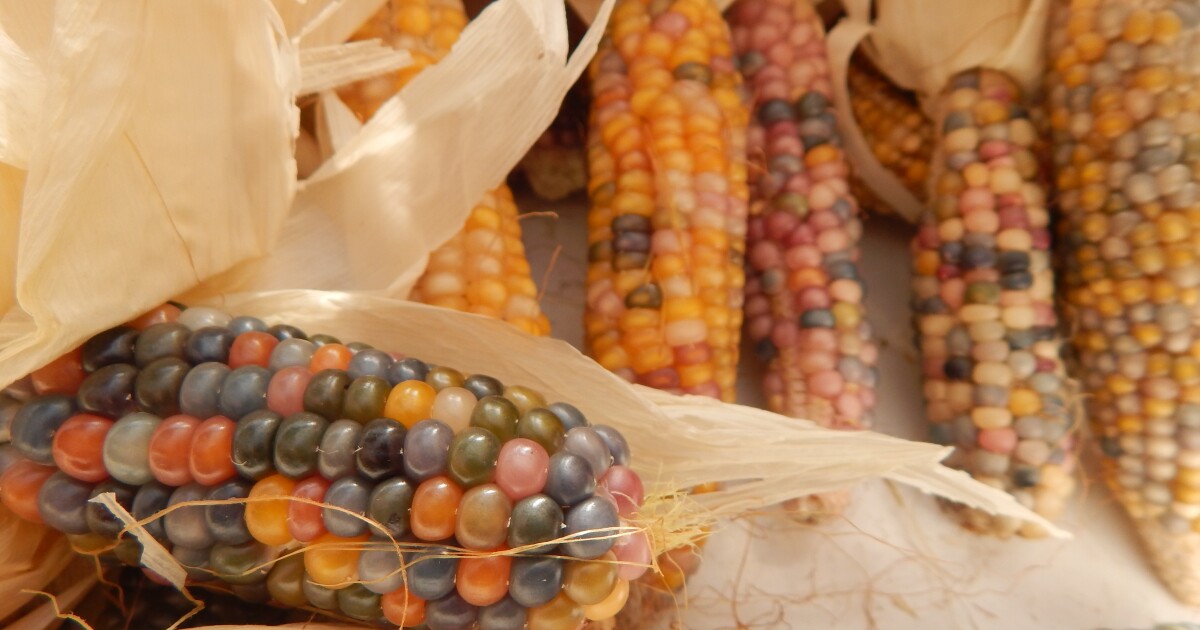
Corn can be tricky, but incredibly rewarding when done right. Luckily for you, corn has been grown in the desert southwest for centuries so there are several desert-adapted varieties to choose from. Pima 60-Day, and Hopi Blue are two wonderful indigenous options for example.
Timing is Everything
Direct Sow: February – End of March | End of July – August
Time to Harvest: 60-90 days
For Spring: Direct sow on or around March 1st. The goal is to harvest by mid-June before the worst of the heat prevents pollination.
For Fall: Direct sow in the late summer months to utilize monsoon rain. Expect harvests in October/November.
Watering
Corn uses a significant amount of water to grow, be as efficient as possible. Use drip irrigation to deliver water to the base of the plant. Aim to water deeply every day in the Summer months, and on a consistent cycle when temperatures are lower.
4. Beans
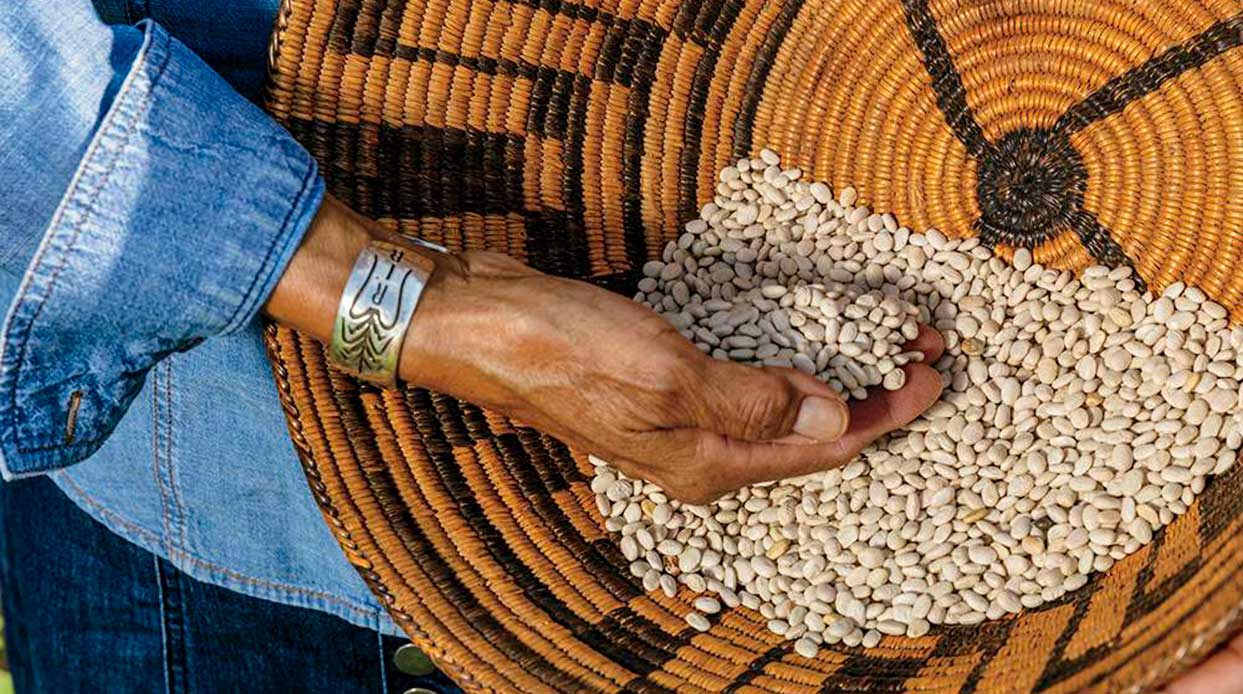
Beans are one of the best ‘hacks’ that you can have in your garden and are actually beneficial to the plants around them too! Beans naturally fix nitrogen in the soil, so planting them next to heavy nitrogen feeders like corn or tomatoes will lead to even more production from your garden. Like corn, there are several bean varieties that grow incredibly well in the desert. Tepary Beans are native to the Sonoran desert and are incredibly drought tolerant. Yard-Long beans, Black-eyed Peas, and Snap beans are also all great options.
Timing is Everything
Direct Sow: March | End of July – August
Time to Harvest: 60-90 days
For Spring: Direct sow beans in March once soil temperatures reach 60°F – 70°F.
For Fall: Direct sow in the late summer months to utilize monsoon rain.
Watering
Depending on the variety of bean you choose, water more or less depending on the seed packet instructions. Aim to water consistently in the Summer months, and on a reliable cycle when temperatures are lower.
Place them near your corn for maximum growth potential! Corn will give the beans something to climb onto, and beans will aid the corn by feeding nitrogen into the soil.
5. Squash
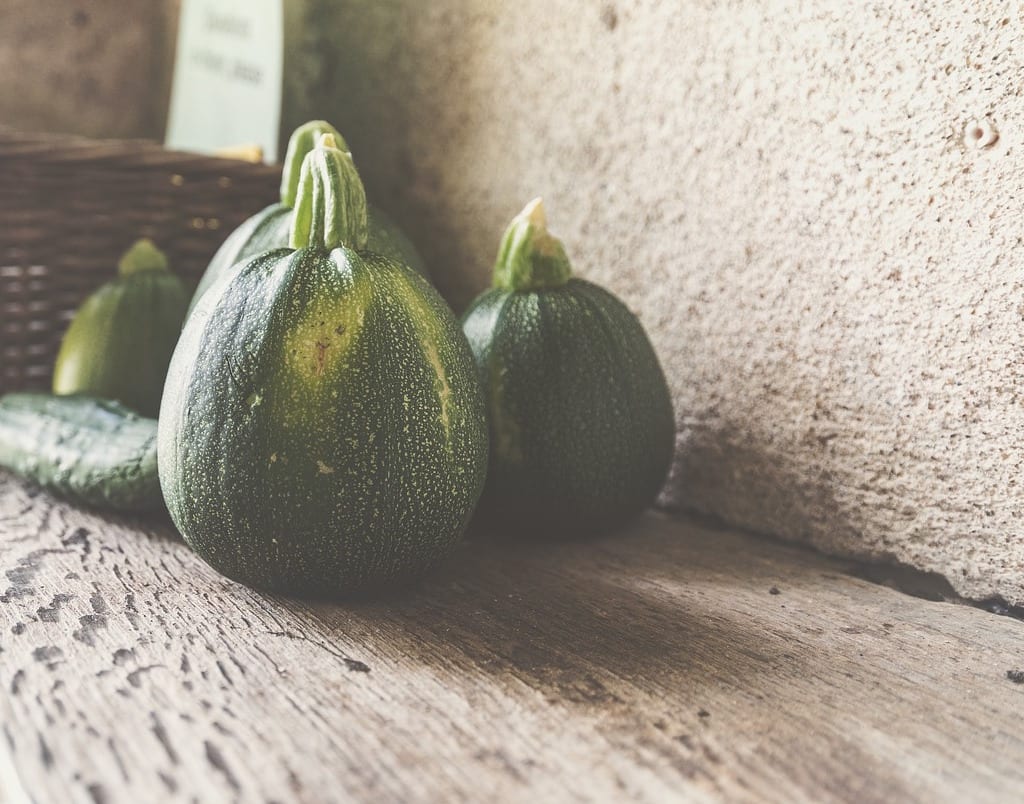
The last of the three sisters (Corn, Beans, Squash), and one of the most prolific growers that you can have in your garden. Variety is key here, so find one that you like best and tailor your planting to it. You may struggle with diseases on a standard Zucchini, so look toward more desert-adapted varities. Tatume is a Mexican heirloom (seen above), that loves the heat and produces round, green squash. Green-Striped Gushaw is another great option, producing massive fruits with strong heat resistance.
Timing is Everything
Direct Sow: Late February – Early April | End of July – August
Time to Harvest: 60-90 days
For Spring: Direct sow seeds after the last frost has occurred.
For Fall: Direct sow in the late summer months to utilize monsoon rain and harvest in October/November.
Watering
Water every 1-3 days in the Spring and Fall. As temperature increases, increase watering frequency.
Note: Squash leaves will naturally ‘wilt’ to protect themselves if exposed to the harsh desert sun, monitor the plant again at night to see if the leaves have perked back up, otherwise it may need additional watering.
Conclusion
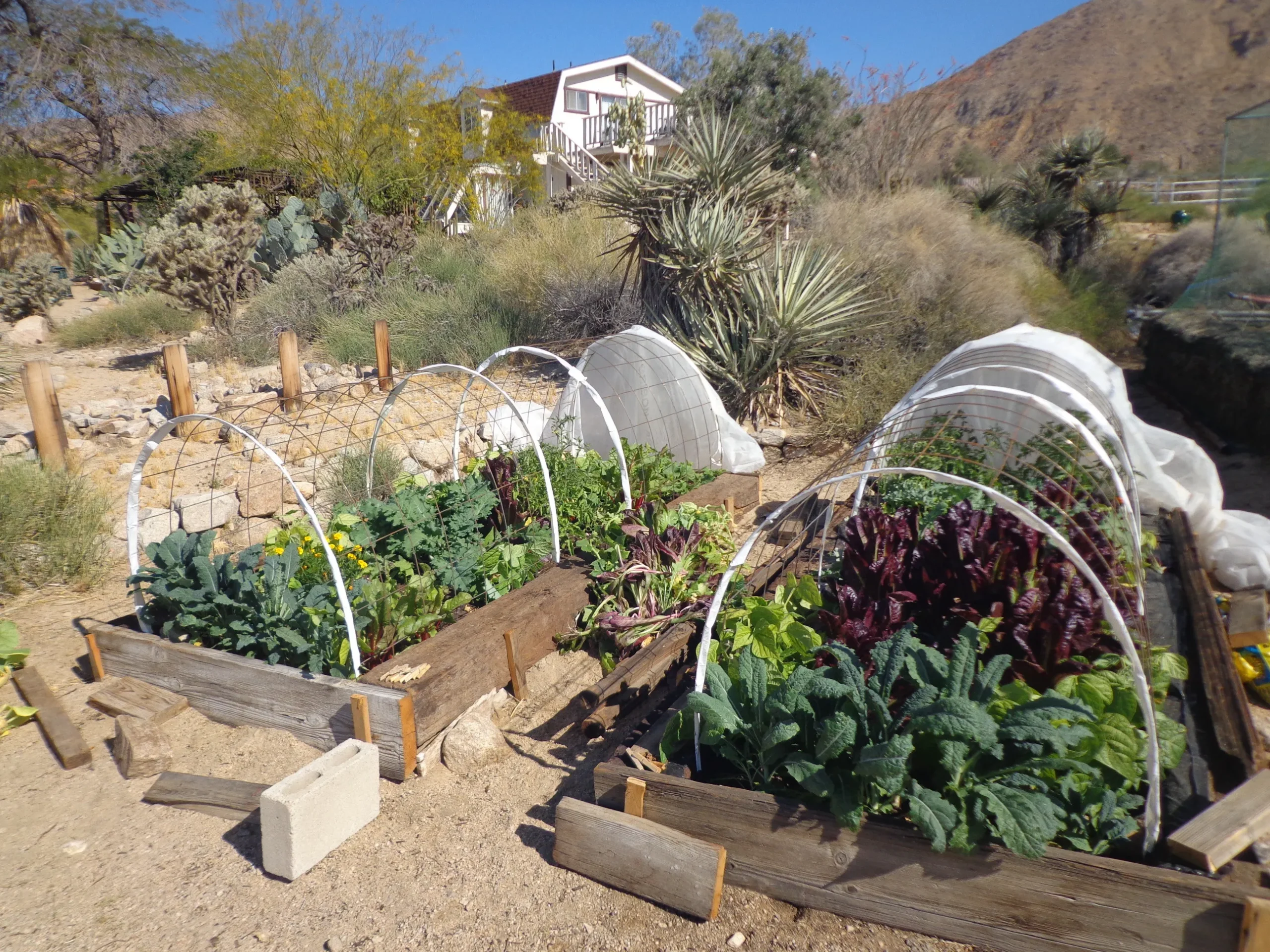
Where you can, use seeds that are designed to battle our tough desert climate. Otherwise, do what you can to improve the environment around your vegetables. Cover your plants with shade cloth, plant flowers to encourage pollinators, and use organic compost and fertilizer for the best results.
You absolutely can, and will be successful at growing a garden here in Zone 9b!
Leave a Reply